AI Adult Fantasies: When Pixels Pretend to Be Skin
When Pixels Pretend to Be Skin: The New Era of AI Adult Fantasies
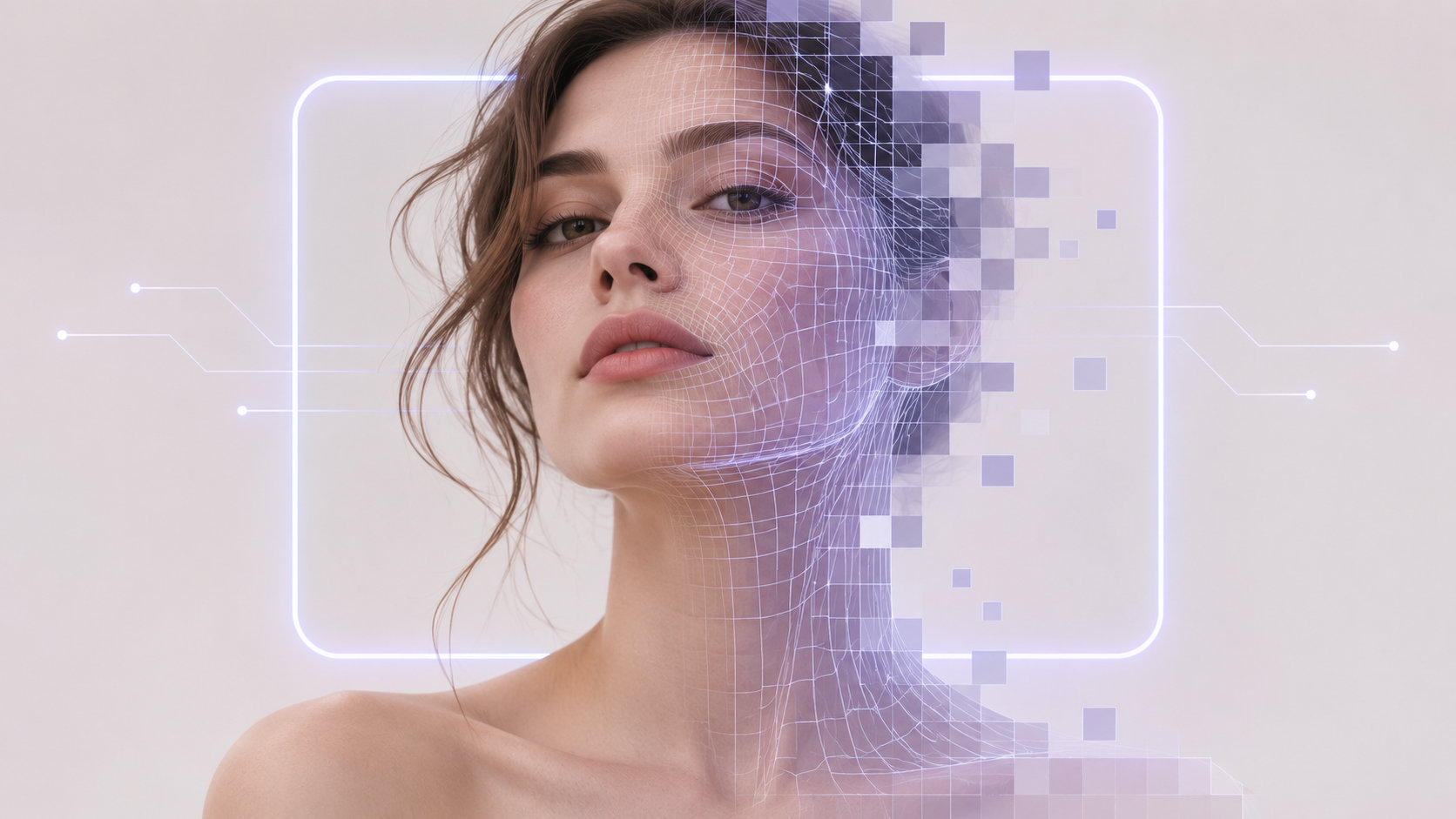
A convincing image no longer proves that a camera captured a real person. Artificial intelligence can generate lifelike faces, skin textures, lighting, and body proportions without a traditional photoshoot.
This shift is changing how adult visual content is created and interpreted. AI adult fantasies now occupy a growing category of synthetic entertainment, where computer-generated appearances can resemble conventional photography. The technology creates new possibilities for fictional content while raising questions about authenticity, consent, and personal privacy.
How Is AI Changing the Appearance of Adult Content?
Artificial intelligence is changing adult imagery by generating and modifying visual details that previously required photography or manual editing. Modern image models can interpret shapes, clothing, facial features, and lighting patterns to produce entirely new visual compositions.
One particularly discussed category involves AI tools that digitally alter clothing in existing photographs. Services such as undress demonstrate this approach through browser-based image processing, where uploaded pictures are transformed into synthetic undressed representations. The resulting image is a computational prediction rather than a photograph of the person's actual body, making explicit consent essential whenever real people are depicted.
The distinction between reconstruction and reality matters. Even when an image looks physically convincing, its anatomical details may be invented by the model rather than recovered from the original photograph.
This technology also reflects a broader movement toward synthetic adult content, where visual material can be produced without photographing the depicted scene.
Why Do AI Adult Fantasies Look Increasingly Realistic?
The realism of AI adult fantasies comes from image-generation systems that learn statistical relationships between objects, textures, anatomy, and lighting. Instead of simply placing one picture over another, these systems generate pixels based on patterns learned during training.
The Importance of Lighting and Texture
Skin is visually complex because light interacts with its surface in subtle ways. Shadows, highlights, color variation, and fine details all affect how convincing an image appears.
Modern AI-generated images can reproduce many of these visual characteristics. However, small inconsistencies in fingers, reflections, clothing boundaries, or body proportions may still reveal synthetic processing.
Why Familiar Images Feel More Convincing
People often judge visual authenticity through familiar cues rather than detailed technical inspection. A recognizable photographic style, ordinary background, and natural lighting can make artificial content appear credible.
This creates an unusual situation: an image can look like documentary evidence while depicting an event that never occurred.
What Separates Synthetic Fantasy From Traditional Adult Photography?
Traditional adult photography records physical subjects, while synthetic imagery can construct scenes that exist only as generated data. Both forms involve artistic decisions, but their production methods are fundamentally different.
These differences influence how audiences interpret content. A digital fantasy can use photographic conventions without representing any genuine event.
For fictional characters, synthetic creation may allow visual experimentation without involving a performer in the depicted scene. When a recognizable person's identity is used, however, permission becomes central to responsible production.
How Is AI Influencing Creative Control in Adult Imagery?
AI gives creators more control over visual characteristics such as composition, lighting, backgrounds, and artistic style. A concept that might require multiple photographs can sometimes be developed through several generated variations.
Common creative applications include:
Developing original fictional adult characters.
Testing different photographic lighting styles.
Creating alternative visual compositions.
Producing fictional settings without physical sets.
Experimenting with illustration and realistic rendering.
These applications work best when AI image generation uses original characters, licensed materials, or photographs shared with informed permission.
Generation does not eliminate creative decisions. Models still require clear direction, and results often need inspection for anatomical errors, visual inconsistencies, and misleading details.
Why Are Consent and Privacy Central to Synthetic Adult Images?
Consent is central because realistic artificial imagery can depict identifiable people in situations they never agreed to participate in. A generated picture may be fictional, yet its circulation can produce genuine personal and reputational harm.
The Federal Trade Commission explains that image-based abuse includes intimate deepfakes created or shared without permission. Its consumer information on image-based abuse also describes reporting options and protections for affected people.
Responsible creation requires several boundaries. Images of minors must never be sexualized, and recognizable adults should not be placed into intimate synthetic scenes without explicit authorization.
Privacy also depends on how uploaded photographs are stored, processed, and deleted. Before using an image-editing service, users should examine its retention policy, moderation rules, and treatment of personal data.
What Will Define the Next Generation of AI Adult Content?
The next stage of synthetic adult media will likely involve stronger visual consistency, improved motion generation, and more reliable character continuity. These developments could make fictional images and short clips harder to distinguish from conventional recordings.
At the same time, technical realism alone cannot establish legitimacy. Clear labeling, documented permission, effective reporting systems, and responsible data practices will become increasingly important.
The lasting change is not simply that computers can imitate human appearance. It is that the connection between photographic realism and factual authenticity is becoming weaker, requiring audiences and creators to treat convincing images with greater care.